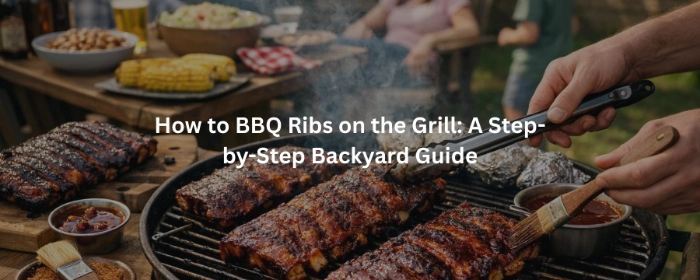
There's an undeniable allure to perfectly cooked BBQ ribs – that succulent, smoky meat effortlessly yielding from the bone, coated in a sticky, savory glaze. If you've ever dreamt of achieving those legendary results right in your backyard, you've landed in the right spot. Mastering ribs on the grill isn't a dark art; it's a testament to patience and technique, specifically the glorious method of low and slow cooking. Forget dried-out, tough ribs or burnt sauce; this comprehensive guide will unlock the secrets to truly tender, flavorful ribs every single time.
While there are quicker methods for achieving delicious grilled ribs, the "low and slow" approach is what truly separates the masters from the novices, infusing the meat with unparalleled tenderness and deep smoky flavor. It's about letting time and consistent, gentle heat work their magic.
The Foundation: Choosing & Prepping Your Ribs
The journey to perfect ribs begins long before they hit the grates. Selecting the right cut and preparing it meticulously sets the stage for success.
Selecting Your Star Ribs
- Baby Back Ribs: These are cut from the loin area, known for being shorter, leaner, and more tender. They cook relatively quickly, making them a popular choice for many home grillers. Expect a sweeter, milder flavor profile.
- Spare Ribs: Larger, meatier, and cut from the belly of the hog, spare ribs offer a richer, more robust flavor. They contain more fat and connective tissue, which, when cooked low and slow, renders down into incredible juiciness. St. Louis-style ribs are spare ribs that have been trimmed of their breastbone and cartilage, creating a uniform, rectangular shape that's easier to handle on the grill.
Regardless of your choice, look for ribs that are fresh, with good marbling (streaks of fat within the meat). This fat will melt during cooking, basting the meat from within and contributing significantly to both flavor and moisture.
The Crucial Membrane Removal
On the bone-side of your ribs, you'll find a thin, silvery membrane (often called silver skin). This membrane doesn't break down during cooking, resulting in a chewy texture and acting as a barrier that prevents your rub and smoke from fully penetrating the meat. Removing it is non-negotiable for truly exceptional ribs.
- Use a butter knife or the blunt end of a spoon to gently lift a corner of the membrane, usually at one end of the rack.
- Once you have a small section lifted, grab it firmly with a paper towel (it can be slippery!).
- Pull steadily and slowly across the entire rack. It should come off in one satisfying piece. If it tears, just repeat the process from where it broke.
The Flavor Builder: Generous Seasoning
A good dry rub is the soul of BBQ ribs. It forms a flavorful crust, or "bark," during cooking. While store-bought rubs are convenient, crafting your own allows for endless customization. A classic rub often includes:
- Brown Sugar: For sweetness and caramelization.
- Paprika: For color and mild pepper flavor.
- Garlic Powder & Onion Powder: Essential savory notes.
- Salt & Black Pepper: The fundamental flavor enhancers.
- Cayenne Pepper or Chili Powder: For a touch of heat, if desired.
- Mustard Powder, Cumin, or Dried Herbs: For added complexity.
Don't be shy! Liberally coat both sides of the ribs with your chosen rub, massaging it gently into the meat. For optimal flavor penetration, allow the seasoned ribs to rest for at least 30 minutes at room temperature, or ideally, wrap them tightly and refrigerate overnight. This dry brining process will draw out moisture, dissolve the salt and sugar, and then draw that flavorful liquid back into the meat.
Mastering the Art of Low & Slow Grilling
This is where the magic truly happens. The "low and slow" method ensures the connective tissues and fats in the ribs have ample time to break down, resulting in that coveted tender texture without drying out the meat.
Setting Up for Indirect Heat
The cardinal rule for cooking ribs on the grill low and slow is indirect heat. This means the ribs are never directly over the flame or coals, preventing scorching and allowing for even, gentle cooking.
- Gas Grill: Light only one or two burners on one side of your grill (e.g., the left side). Set the temperature dial to achieve an internal grill temperature of 275°F to 300°F on the unlit side. Close the lid and let it preheat.
- Charcoal Grill: Bank your lit coals to one side of the grill. Place a drip pan filled with a little water on the opposite side to catch drippings and help regulate moisture. Position your cooking grate, close the lid, and adjust vents to maintain 275°F to 300°F.
Consistent temperature is key. Use a reliable grill thermometer, and make minor adjustments to burners or vents as needed.
The Initial Smoke Phase (Unwrapped)
Once your grill is at temperature, place the seasoned ribs bone-side down on the cooler, indirect heat side. Close the lid and let them cook. This initial phase is crucial for developing a smoky bark and allowing the dry rub to set.
- Duration: Approximately 2.5 to 3 hours for baby back ribs, or 3-4 hours for spare ribs.
- Smoke Boost: For that authentic BBQ flavor, add wood chips or chunks directly to your lit coals (charcoal grill) or in a smoker box (gas grill). Hickory, apple, and cherry are excellent choices for pork ribs, imparting a sweet, mellow smoke that complements the meat beautifully. Replenish wood as needed to maintain a consistent smoke flow for the first couple of hours.
- Monitoring: Resist the urge to constantly peek! Every time you lift the lid, heat escapes, extending your cooking time. Check the temperature every 30-45 minutes to ensure it remains within the target range.
The Tenderizing Secret: Wrapping for Success
This stage is often referred to as the "Texas Crutch" in BBQ circles, and it's a game-changer for achieving incredible tenderness and moisture retention. While optional, it's highly recommended for that "fall-off-the-bone" experience.
After the initial unwrapped smoke phase (around 2-3 hours for baby backs, 3-4 hours for spare ribs), the ribs should have developed a nice color and bark.
- Carefully remove the ribs from the grill.
- Lay out two large pieces of heavy-duty aluminum foil, overlapping them slightly to create a strong seam.
- Place the ribs meat-side up on the foil.
- Add a splash of liquid: about ¼ cup of apple juice, cider vinegar, beer, or even a few pats of butter or a drizzle of honey. This liquid will steam the ribs, further breaking down connective tissue and keeping them incredibly moist.
- Wrap the ribs tightly in the foil, creating a sealed packet. Ensure there are no gaps where steam can escape.
- Return the wrapped ribs to the indirect heat side of the grill.
- Cook for another 1 to 2 hours. For spare ribs, a popular technique is the "3-2-1 method" (3 hours unwrapped, 2 hours wrapped, 1 hour unwrapped and sauced). For baby backs, it's often more like "2-2-1" or even shorter. The goal is tenderness, not strict adherence to time.
Finishing Touches and Serving Your Masterpiece
The final steps are all about glazing, perfecting the texture, and ensuring the ribs are ready for the plate.
Sauce and Finish
Once the ribs are tender (you should be able to gently bend the rack, and it will show some resistance but not break), it's time to add your favorite BBQ sauce. Unwrap the ribs carefully, discarding the foil and any remaining braising liquid.
- Brush a generous layer of your preferred BBQ sauce onto both sides of the ribs.
- Return the ribs to the indirect side of the grill (or briefly over very low direct heat, watching carefully).
- Cook for another 10-20 minutes, flipping once and adding a second coat of sauce if desired. The goal is to allow the sauce to caramelize and become sticky, forming a beautiful glaze. Be vigilant, as the sugar in many BBQ sauces can burn quickly over direct, high heat.
Checking for Doneness
How do you know when your ribs are truly ready?
- The Bend Test: Pick up one end of the rack with tongs. If the ribs are done, the rack will bend significantly in the middle, and the meat will show cracks on the surface.
- Bone Pullback: The meat should have pulled back from the ends of the bones by about ½ inch, exposing a clean bone.
- The Twist Test: Gently twist one of the smaller bones. It should feel loose and easily separate from the meat with minimal effort.
- Internal Temperature: While not the primary indicator for ribs (tenderness is key), the internal temperature in the thickest part of the meat (avoiding bones) should be around 195°F-205°F for optimal collagen breakdown.
Rest and Serve
This final step is as important as any other. Remove your perfectly cooked ribs on the grill from the heat and let them rest, loosely tented with foil, for 10-15 minutes. This allows the juices to redistribute throughout the meat, resulting in a more succulent and flavorful bite. After resting, slice the ribs between the bones and serve with extra BBQ sauce on the side, alongside classic accompaniments like creamy coleslaw, cornbread, and baked beans.
Grilling truly tender, smoky BBQ ribs using the low and slow method is an incredibly rewarding culinary experience. It requires patience and attention, but the payoff—juicy, fall-off-the-bone goodness—is absolutely worth every minute. Embrace the process, trust your grill, and prepare to impress your friends and family with ribs that taste like they came straight from a championship BBQ pit.
